
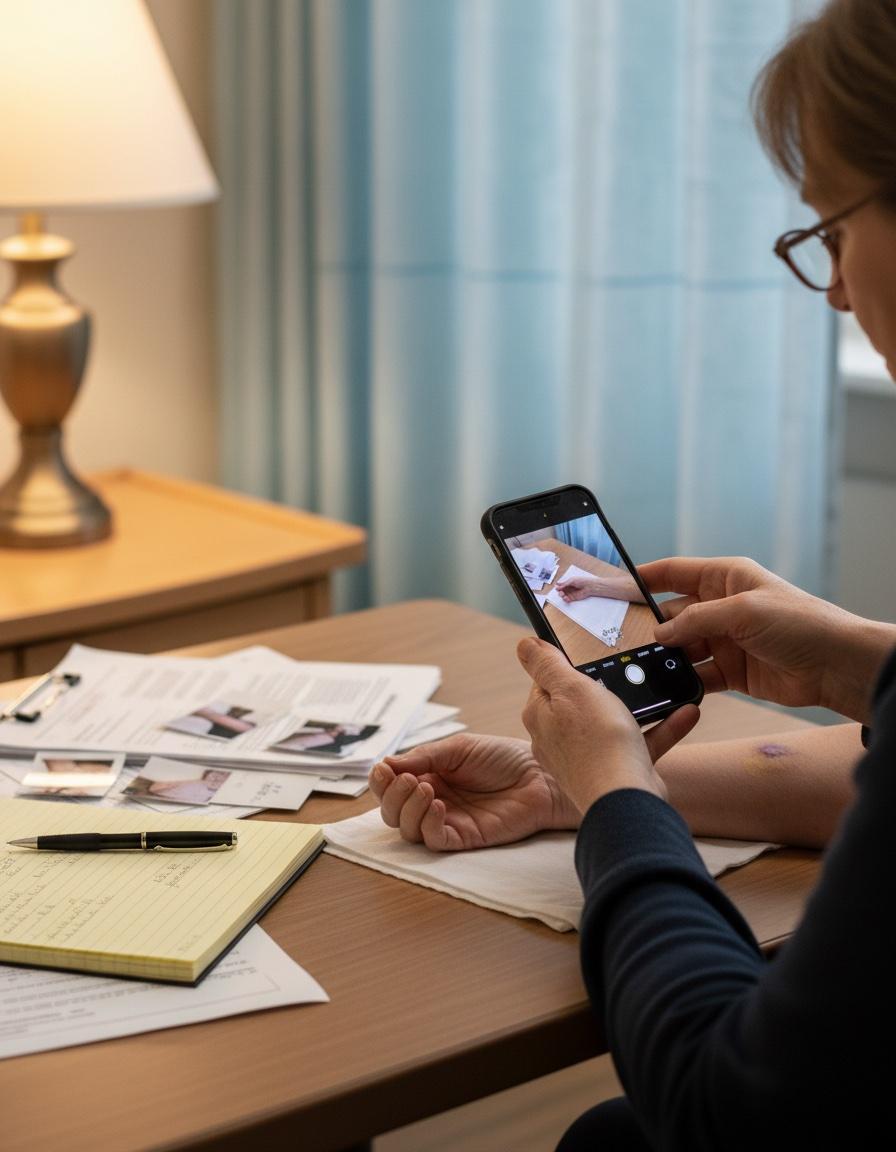
When abuse or neglect is occurring in a nursing home, documentation is often the single most important action a family member can take. A well-organized record of incidents, injuries, conversations, and observations creates the foundation for a credible complaint, an effective regulatory investigation, and — if necessary — legal action. Without documentation, accounts of abuse can become difficult to substantiate, and nursing homes may minimize or deny what happened.
This guide explains how to recognize the signs of nursing home abuse and neglect, what to document and how to do it safely, how technology can assist the process, and what steps to take after you have gathered your evidence — including when and how to involve authorities and when to seek legal guidance.
Recognizing the Signs of Nursing Home Abuse and Neglect
Before you can document abuse, you need to recognize it. Vigilant family members and regular visitors are often the first to notice warning signs that staff may overlook or obscure. Common signs include unexplained injuries such as bruises, cuts, or fractures; sudden changes in behavior or mood; unexplained weight loss or malnutrition; poor hygiene; and financial discrepancies. Trust your instincts — if something feels wrong, document it and raise your concerns with the appropriate people. For a more detailed breakdown of abuse types and warning signs, see our guide on signs of nursing home abuse and neglect.
Physical Signs to Watch For
- Unexplained bruises, cuts, or fractures
- Bedsores or pressure ulcers
- Rapid weight loss or malnutrition
- Poor hygiene or unclean living conditions
- Medication errors or irregularities
Emotional and Behavioral Signs to Watch For
- Sudden changes in behavior or mood
- Increased fear or anxiety, especially around specific staff members
- Withdrawal from social activities
- Unexplained depression or sadness
- Unresponsiveness or unusual silence
If you notice any of these signs, begin documenting them immediately and convey your concerns to the appropriate authorities or the nursing home administration.
The Role of Documentation in Reporting Abuse
Documentation plays a vital role in reporting nursing home abuse and seeking justice for victims. By documenting incidents of abuse, you create a record of evidence that can support your claims and hold responsible parties accountable. Proper documentation gives investigators, regulators, and legal professionals a clear picture of what happened, when it happened, and how often. A single incident might be dismissed as an anomaly; a pattern of documented incidents is far harder to minimize.
Documenting each incident's date, time, and details — including physical injuries, conversations, and your own observations — is essential. Medical records, photographs, and witness statements can also be valuable evidence. Think of documentation as the foundation on which every subsequent step — internal complaints, regulatory reports, and potential legal proceedings — will be built.
What to Document: From Injuries to Conversations
When documenting nursing home abuse incidents, capture all relevant information. Key elements to document include:
- Date and time: Record the exact date and time of each incident to establish a clear timeline.
- Injuries: Photograph any physical injuries — bruises, cuts, fractures, or bedsores — noting the location and severity of each. If possible, photograph injuries at multiple points in time to show progression or failure to heal.
- Conversations: Document any conversations related to the abuse, including statements made by the resident, staff members, or witnesses. Record the date, time, and full names or roles of everyone involved.
- Observations: Note firsthand observations of mistreatment, signs of neglect, or unsafe conditions in the facility.
- Medical records: Request and retain copies of medical records that document injuries or changes in the resident's health. You generally have the right to access these records — ask the facility's medical records department.
- Financial discrepancies: Document any suspicious financial transactions, missing money, or unexplained changes to the resident's accounts or personal property inventory.
By capturing these details consistently, you build a comprehensive record that supports your claims and enables authorities or legal professionals to take appropriate action.
How to Safely and Effectively Gather Evidence
Gathering evidence requires careful planning to protect the resident, yourself, and the integrity of the evidence itself:
- Prioritize safety: Ensure the resident's safety and your own when collecting evidence. Avoid actions that could put anyone at risk of retaliation or harm.
- Document incidents immediately: Record details as soon as possible after each incident. Memory fades quickly, and contemporaneous notes carry far more weight than accounts written from memory weeks later.
- Collect physical evidence: Photograph injuries and unsafe conditions. Keep copies of medical records, incident reports, and other relevant documents in a secure location outside the facility.
- Preserve electronic evidence: If there is digital evidence — emails, text messages, or messages through the facility's communication platform — take screenshots or print copies and save them with dates.
- Interview witnesses: Other residents, family members of other residents, or staff who witnessed mistreatment may be willing to provide statements. Document their accounts along with their contact information.
- Seek legal guidance: Consider consulting an elder law attorney or an attorney experienced in nursing home abuse cases to ensure you follow proper legal protocols and protect the admissibility of the evidence you gather.
Using Technology to Document Nursing Home Abuse
Technology has made it easier than ever to create and preserve evidence. Useful tools include:
- Mobile devices: Smartphones and tablets can capture photographs and videos of injuries, unsafe conditions, or neglect in real time.
- Voice recorders: Voice recording apps can capture conversations or statements as they occur. Note that recording laws vary by state — some require all parties' consent. Review your state's laws before recording conversations with staff.
- Digital calendars and notes apps: Use date-stamped digital entries to record incidents, creating an automatic timeline that is difficult to alter or dispute.
- Secure cloud storage: Back up all photographs, recordings, and documents to a secure cloud storage service. This protects your evidence if a device is lost, damaged, or confiscated.
- Online reporting platforms: Many states provide online portals for filing nursing home complaints with the state survey agency or Adult Protective Services. These platforms create a timestamped record of when a report was filed.
Always respect privacy laws and obtain any required consents when using recording technology. An attorney experienced in nursing home cases can advise you on what methods are legally permissible in your state.
Steps to Take After Documenting Abuse
Reporting Abuse to Nursing Home Administration
Reporting abuse to the nursing home administration is a critical first step. Follow the facility's reporting protocol — this may involve submitting a written complaint or speaking directly with a supervisor or administrator. Provide them with your documented evidence and a clear account of the incidents. The nursing home administration is responsible for conducting an investigation, ensuring the resident's safety, and implementing measures to prevent further abuse. Keep detailed records of all your interactions with administration, including dates, times, and the names of individuals you spoke with. If you do not receive a satisfactory response or the problem continues, escalate to external authorities.
When and How to Contact Authorities
In cases of severe abuse or immediate danger, contact the appropriate authorities without delay. If a resident's life is in immediate danger or they are experiencing a medical emergency, call 911. For non-emergency situations, contact your state's Adult Protective Services agency and the Long-Term Care Ombudsman Program. You can also file a complaint directly with the state survey agency that licenses and oversees nursing homes. Provide all relevant documentation and cooperate fully with investigators. For guidance on how to report in your specific state, visit our state-by-state filing guide at /state-guides or our APS guide at /aps-guide.
Seeking Legal Assistance for Nursing Home Abuse Cases
If your loved one has suffered injuries or significant harm due to abuse or neglect, consider consulting an elder law attorney or an attorney experienced in nursing home abuse cases. A qualified attorney can help evaluate the strength of your documentation, advise on what additional evidence may be needed, and guide you through the legal process if you choose to pursue a civil claim. They can also help ensure that evidence you have gathered is admissible and properly preserved. Nursing home abuse cases can be complex, so legal guidance can make a significant difference in the outcome.
Preventive Measures to Avoid Future Incidents
While documentation and reporting are essential responses to abuse, proactive measures can also reduce the risk of mistreatment in the first place.
Choosing the Right Nursing Home
When selecting a nursing home, conduct thorough research before making a decision. Visit multiple facilities in person, observe staff interactions with residents, and ask specific questions about staffing ratios, staff training, and how the facility handles complaints. Review the facility's inspection history and any citations issued by the state survey agency — this information is publicly available through Medicare's Care Compare tool. Read reviews from residents and family members, and check whether the facility has a history of substantiated abuse complaints. A well-run facility will welcome questions and be transparent about its policies.
Regular Visits and Active Engagement with Staff
Regular, varied visits are one of the most effective deterrents to abuse. Visit at different times of day — not just during convenient hours — and engage meaningfully with the staff responsible for your loved one's care. Building a positive relationship with caregivers encourages accountability and keeps you informed about your loved one's condition. During visits, observe how staff treat residents throughout the facility, not only in your loved one's room. Promptly address any concerns you notice, and document your visits — including what you observed and any conversations you had with staff.
Is your loved one safe?
Neglect and abuse in nursing homes can constitute medical malpractice. If you suspect your family member is at risk, legal intervention may be the most effective path forward.
Request Free Case Reviewarrow_forward